

We now offer Virtual Mediations using Enhanced Video Conferencing
Originally published: October 2026
By Ann M. Goade, Esq., Florida Supreme Court Certified Family Mediator and Family Law Attorney
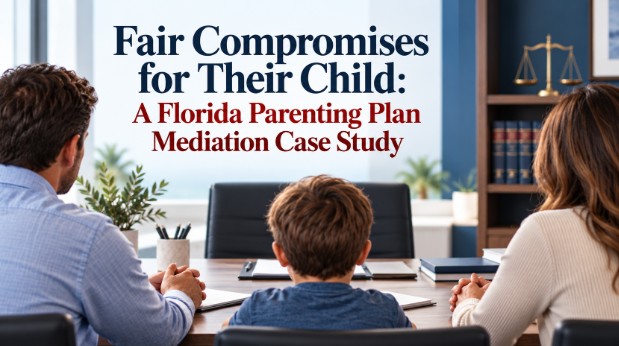
Parenting plan mediation is a confidential session in which a neutral mediator helps two parents settle the decisions that shape their child’s life, from schedules to schooling. In this case, two parents came to Ann Goade needing to agree on terms for their child.
Goade, a Treasure Coast mediator who handles time-sharing and other parenting disputes, kept the session focused until both parents were satisfied with the compromises. The client later said she would return to Goade if the family ever needed help again.
Two parents needed agreements covering their child. The client described the mediation as fair and focused, and said everyone left satisfied with the compromises reached.
| Case Detail | What the Record Shows |
| Case type | Family mediation over decisions for a child |
| Mediator | Ann Goade |
| What had to be settled | Compromises affecting the parents’ child |
| How the session felt | Fair and focused |
| Client rating | 5 stars |
| Review date | June 2, 2025 |
Goade limits her law practice to family mediation, and parents from across the Treasure Coast and the Palm Beaches bring her their time-sharing and parenting disputes.
Parents worried that decisions about their child will turn into a fight can book a session with Ann Goade and talk it through calmly.
The two parents had to agree on choices that would shape their child’s routine for years. A disagreement over a car or a bank account ends when the paperwork is signed, but a school calendar or a holiday schedule affects the child every week.
Florida courts treat these decisions seriously. Under Florida Statutes §61.13, a parenting plan must address how parents share responsibility and time with a child. Courts consider the child’s best interests first when they approve one.
Parents who cannot agree risk handing those choices to a judge who has never met their child, and keeping that control is one of the core benefits of custody mediation for families.
The goal was an agreement both parents would accept, not one parent winning and the other giving in. A parenting arrangement that one side resents tends to come apart, and the child feels the strain first.
For that reason, Florida law steers these disputes toward mediation. Florida Statutes §44.102 lets a court refer parental responsibility and time-sharing issues to mediation. Parents can build the plan themselves before anyone imposes one.
Under Florida Statutes §44.405, what each parent says in mediation stays private, subject to a few statutory exceptions, so both can speak openly about their child.
Goade started by listening. The client called her “such a great listener,” and that quality shaped the rest of the session.
A parent who feels understood stops repeating the same point and starts weighing the other parent’s proposal on its merits. Goade gives each parent room to explain what matters to them, then works through both positions so the two can respond to each other directly.
Neutrality is a formal duty, not just a personal style. Florida Supreme Court mediator certification holds every certified mediator to the Florida Rules for Certified and Court-Appointed Mediators, which require impartiality toward both parties.
Parents who want a sense of the full session can read how the mediation process unfolds before the first meeting.
If you’re ready to get started, call us now!
The client named three things Goade did, and together they describe how the session ran.
The final satisfaction check is the step many parents never see coming. Mediators typically confirm that each parent genuinely accepts the terms, not just tolerates them, because a reluctant agreement rarely survives the first missed pickup.
Parents ready to settle decisions about their child without a courtroom battle can contact Ann Goade to plan a fair, focused mediation.
The mediation ended with compromises the whole family accepted, and the client came away recommending Goade highly. She also said she would go back to Goade if the family ever needed help again.
| Proof Point | What Emily D. Reported |
| Fair process | “She was fair” |
| Focused session | “Kept us focused” |
| Agreement on the child | “Everyone was satisfied with the compromises for our child” |
| Trust for the future | “I would go to her again for help” |
Not every parenting dispute resolves in one session, and some never settle. When mediation reaches an impasse, the open issues return to the court. Parents who settle can build flexibility into an adaptive parenting plan so the agreement keeps working as the child grows.
Two lessons stand out from this family’s experience, and neither depends on how complex the case was.
Both parents left satisfied, not just one. A plan each parent helped build carries less resentment, making it more likely to hold up when schedules get tested.
Children grow, schedules shift, and plans often need updating years later. Related terms such as child support can change too, and a mediator both parents already trust makes that next conversation easier to start.
Emily D. left the following five-star review after the mediation.
“Ms. Ann is wonderful; a professional and such a great listener. She was fair, kept us focused, and made sure everyone was satisfied with the compromises for our child. I would highly recommend her and, God forbid, I would go to her again for help.”
— Emily D., June 2, 2025
The review reflects how Ann Goade approaches parenting cases: hear both parents fully, keep the child at the center, and confirm the agreement works for everyone before the session ends.
Can parents use mediation to decide child custody in Florida?
Yes, Florida parents can use mediation to settle parental responsibility and time-sharing, which Florida law calls “custody.” Florida Statutes §44.102 allows a court to refer these issues to mediation, and a judge then reviews the agreed parenting plan before approving it.
What does a mediator do in a child custody mediation?
A mediator in a child custody mediation stays neutral and helps parents reach their own agreement about the child. The mediator listens to each parent, keeps the discussion focused on the child, and tests proposals for fairness, but never decides the outcome.
How do parents reach a fair compromise about their child?
Parents reach a fair compromise about their child when each feels heard and the discussion stays focused on the child’s needs. In this case, Ann Goade kept both parents focused, and everyone left satisfied with the compromises made for their child.
Can parents who disagree still reach a parenting agreement in mediation?
Yes, parents who disagree can still reach a parenting agreement in mediation, since the process exists for exactly that situation. A neutral mediator keeps each parent heard and keeps the discussion focused on the child, helping opposing views settle into compromises both parents can accept.
What does a Florida court look at when approving a parenting plan?
When approving a parenting plan, a Florida court first considers the child’s best interests under Florida Statutes §61.13. The statute lists factors such as each parent’s ability to support the child’s relationship with the other parent and consistently meet the child’s daily needs.
Is a parenting plan agreement from mediation legally binding?
A signed mediation agreement binds both Florida parents, but its parenting terms become a court order only after a judge approves the plan. The court reviews the arrangement to ensure it serves the child’s best interests under Florida Statutes §61.13 before approving it.
Can parents return to mediation to change a parenting plan later?
Yes, Florida parents can return to mediation to change a parenting plan when circumstances shift, such as a new job or a move. In this case, the client said she would go back to Ann Goade if her family ever needed help again.
Are custody mediation discussions confidential in Florida?
Yes, Florida Statutes §44.405 keeps custody mediation discussions private, with narrow exceptions. Parents can talk openly about their child without those statements resurfacing in court, although a signed written agreement loses that protection unless both parents agree to keep it confidential.
Parents who want a fair agreement that puts their child first can schedule a mediation with Ann Goade and start building that plan today.


Proudly Serving Areas
Navigation
Practice Areas
Contact Us